
Extreme Heat
Extreme heat is defined as a period of two to three days above 90 degrees Fahrenheit, according to the U.S. Department of Homeland Security. When a period of extreme heat is forecast, the Governor would activate Connecticut’s Extreme Hot Weather Protocol. This is enacted to ensure the most vulnerable populations receive protection from the severely hot and humid conditions.
Although anyone can suffer from heat-related illness, some people are at greater risk than others:
- Infants and young children are sensitive to the effects of high temperatures and rely on others to regulate their environments and provide adequate liquids.
- People 65 years of age or older may not compensate for heat stress efficiently and are less likely to sense and respond to change in temperature.
- People who are overweight may be prone to heat sickness because of their tendency to retain more body heat.
- People who overexert during work or exercise may become dehydrated and susceptible to heat sickness.
- People who are physically ill, especially those with heart disease or high blood pressure, or who take certain medications, such as for depression, insomnia, or poor circulation, may be affected by extreme heat.
Some prevention tips to stay safe in extreme heat include:
- Keep your body temperature cool to avoid heat-related illness.
- Stay in air-conditioned buildings as much as possible. If you must be outdoors, try to limit your outdoor activity to the morning and evening. Try to rest often in shady areas so that your body has a chance to cool off.
- Find an air-conditioned location. (Call 2-1-1 for a list of cooling centers.) Do not rely on a fan as your primary cooling device.
- Avoid direct sunlight.
- Wear lightweight, light-colored clothing.
- Take cool showers or baths.
- Check on those most at-risk several times a day.
- Pets that cannot be brought indoors should be provided ready access to water and shade to keep them cool.
- Never leave pets inside of parked vehicles because temperatures can soar to life-threatening levels within minutes.
Learn more about how to stay safe in extreme heat here.
Learn more about different types of heat related illnesses and how to administer first aid for someone experiencing a heat related illness, below:
Heat Related Illnesses and First Aid
Heat Exhaustion
Heat exhaustion is the body’s response to an excessive loss of water and salt, usually through excessive sweating. People most prone to heat exhaustion are those who are elderly, have high blood pressure, and those working in a hot environment.
Symptoms of heat exhaustion include:
- Headache
- Nausea
- Dizziness
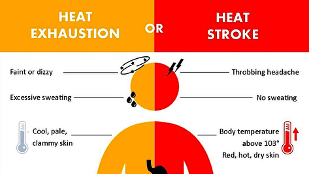
- Weakness
- Irritability
- Thirst
- Heavy sweating
- Elevated body temperature
- Decreased urine output
First Aid to treat heat exhaustion
- Take to a clinic or emergency room for medical evaluation and treatment.
- If medical care is unavailable, call 911.
- Someone should stay with the person until help arrives.
- Remove from a hot area and give liquids to drink.
- Remove unnecessary clothing, including shoes and socks.
- Cool with cold compresses or wash head, face, and neck with cold water.
Encourage frequent sips of cool water.
Heat Syncope (Fainting from the heat)
Heat syncope is a fainting (syncope) episode or dizziness that usually occurs with prolonged standing or sudden rising from a sitting or lying position. Factors that may contribute to heat syncope include dehydration and lack of acclimatization.
Symptoms
- Fainting (short duration)
- Dizziness
- Light-headedness during prolonged standing or suddenly rising from a sitting or lying position
First Aid
People with heat syncope should:
- Sit or lie down in a cool place.
- Slowly drink water, clear juice, or a sports drink.
Heat Cramps
Heat cramps usually affect people who sweat a lot during strenuous activity. This sweating depletes the body’s salt and moisture levels. Low salt levels in muscles cause painful cramps. Heat cramps may also be a symptom of heat exhaustion.
Symptoms
Muscle cramps, pain, or spasms in the abdomen, arms, or legs
First Aid
People with heat cramps should:
- Drink water and have a snack and/or carbohydrate-electrolyte replacement liquid (e.g., sports drinks) every 15 to 20 minutes.
- Avoid salt tablets.
- Get medical help if the person has heart problems, is on a low-sodium diet, or if cramps do not subside within 1 hour.
Heat Stroke
Heat stroke is the most serious heat-related illness. It occurs when the body becomes unable to control its temperature: its temperature rises rapidly, the sweating mechanism fails, and the body cannot cool down. When heat stroke occurs, the body temperature can rise to 106°F or higher within 10 to 15 minutes. Heat stroke can cause death or permanent disability if emergency treatment is not given.
Symptoms of heat stroke include:
- Confusion, altered mental status, and slurred speech.
- Loss of consciousness (coma)
- Hot, dry skin or profuse sweating
- Seizures
- Very high body temperature
- Fatal if treatment is delayed.
First Aid: To treat heat stroke:
- Call 911 for emergency medical care.
- Stay with the person until emergency medical services arrive.
- Move the person to a shaded, cool area and remove outer clothing.
- Cool the person quickly with cold water or an ice bath if possible; wet the skin, place cold, wet clothes on the skin, or soak clothing with cool water.
- Circulate the air around the person to speed cooling.
- Place cold, wet clothes or ice on the head, neck, armpits, and groin, or soak the clothing with cool water.
Dehydration
Recognizing Dehydration
In the summer, drink more fluids and avoid situations where you would be exposed to extreme heat. Avoid prolonged activity in extreme heat.
It is important to proactively encourage children and seniors to drink fluids and cool off in the shade on extremely hot days, as they have a more difficult time regulating their body temperature.
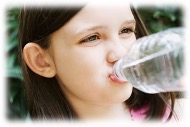
Mild dehydration in children can look like
- Sunken eyes
- Few or no tears when crying
- Peeing less than usual
It is important to seek medical attention if a child exhibits:
- Eyes that look sunken
- Dry, cool skin
- Irritability
- Drowsiness or dizziness
Tips to Keep Hydrated
- Gulps per 15 minutes: For every 15 minutes of outdoor activity, drink about four ounces of water. This is approximately four ounces of water. This is approximately four gulps.
- Increase hydration with popsicles, ice cream, smoothies, or yogurt: A great way to increase hydration in children is to have homemade popsicles or yogurt with real fruit.
- Fruit, pretzels, and goldfish: Give children small snacks with salt and potassium to help protect against electrolyte loss and promote hydration. Pretzels, goldfish crackers, or a cheese stick with some oranges, a banana, or strawberries are all good options.
- Skip sugary drinks: Avoid sugary sodas and sports drinks. Carbonated water mixed with fruit juice is a great alternative.