East Shore District Health Department

East Shore District Health Department

Serving Branford, East Haven, and North Branford

Opioid Overdose Prevention 

Access our Page on Opioid Information

Opioids have been involved in most overdoses in the United States over the past several years. These include heroin, morphine, prescription opioids (e.g., Percocet, Oxycontin, Vicodin) and synthetic opioids like fentanyl. While you may wish that your loved one not use opioids at all, if they do, here are some harm reduction strategies for opioid use that you can share with them to reduce their risk of illness and death.

Access our Page on What is an Opioid?

Destigmatize drug addiction             

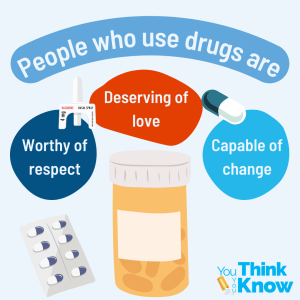
Overdose-related deaths and addiction are affecting our friends, families and communities. Addiction is not a choice. It is a treatable medical condition. Yet, many people affected by addiction face stigma.

Stigma is negative attitudes, beliefs or behaviors about or towards a group of people because of their situation in life. It includes discrimination, prejudice, judgment and stereotypes, which can isolate people who use drugs.

Stigma makes it harder to reach out for help

We can make it easier for people to get support by letting them know they are not alone, and that substance use does not define who they are. Addiction is a treatable medical condition, not a choice.


Learn how to save a life with the use of naloxone (e.g., Narcan)        

Access our Page on Naloxone

Access our Page on Signs of an Opioid Overdose

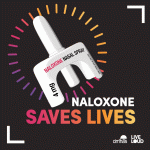
Naloxone, usually known by its brand name Narcan, can reverse an opioid overdose. Encourage your loved one and everyone around them to carry it.  It is available over the counter and for free from many community organizations. Click here to learn how to administer it.


Encourage getting treatment

Medications to treat opioid use disorder can help your loved one reduce or stop their use. These include naltrexone, buprenorphine and methadone. They are the most effective way to treat opioid use disorder as part of a complete treatment plan. Your loved one may also be interested in wearable ear devices that can reduce withdrawal symptoms. They may also respond better to treatments like the Bernese Method, where buprenorphine is administered in gradually increasing amounts while the patient tapers off of opioids. You can learn more about them here.


Safeguard medications

Access our Page on How to Dispose of Unused Medications

If you are medically prescribed an opioid, be sure to keep it out of sight and safely secured. When you are done, you can safely dispose of them.

Remember that any step to reduce the risks of opioid use is a step in the right direction.


Fentanyl test strips 

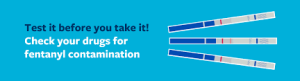
Fentanyl test strips are paper strips used to detect the presence of fentanyl, a deadly synthetic opioid, in injectable substances, powders and pills. They are used by dipping a strip into a mix of water and the substance and will indicate whether fentanyl is present or not.

East Shore Health District has fentanyl and Xylazine test strips available through our mobile outreach team.
 

Don’t mix substances

Mixing opioids with other substances can cause an overdose, which can lead to serious illness and even death. This includes legally prescribed medications like benzodiazepines (e.g., Xanax, Valium, Klonopin). Encourage them to check with a healthcare provider to learn about negative drug interactions.

Access our Page on Suicide Prevention

at: https://www.cdc.gov/drugoverdose/data/statedeaths.html

For more information:
https://www.drugabuse.gov/drugs-abuse/opioids/opioid-overdose-crisis